
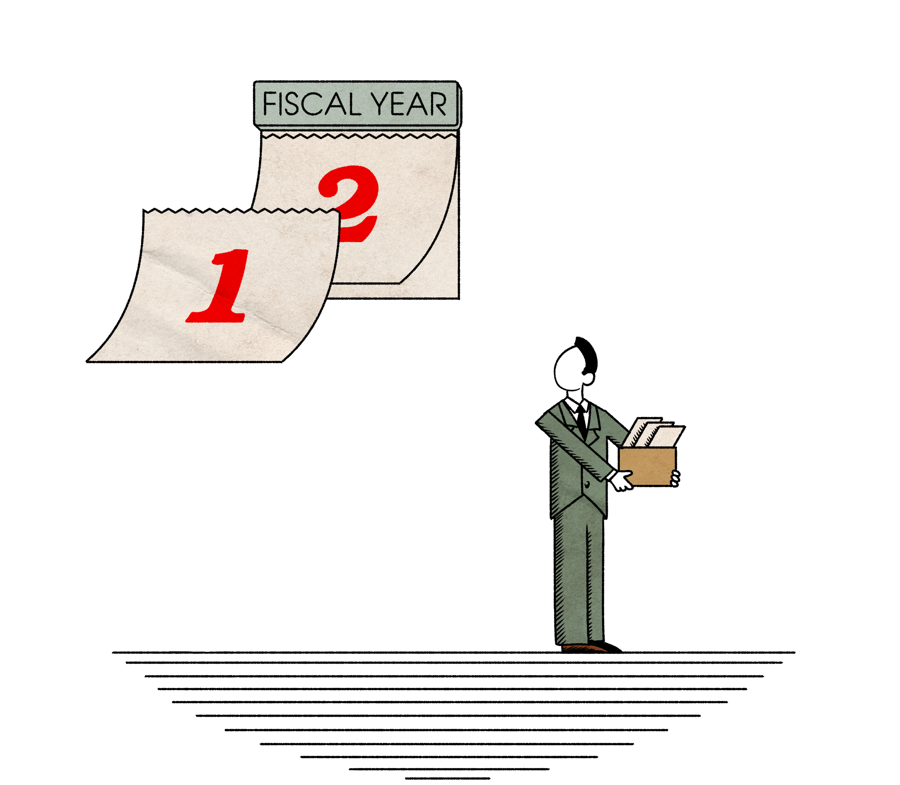
Required Financials for Your FDD
1. What financials are required for a franchisor operating in the United States? The Federal Trade Commission requires audited financials for the franchisor for the last three fiscal years before the Franchise Disclosure Document issuance date. This means you need a balance sheet for the last two fiscal year-ends and a statement of operations, stockholders’ equity, and cash flows for the last…
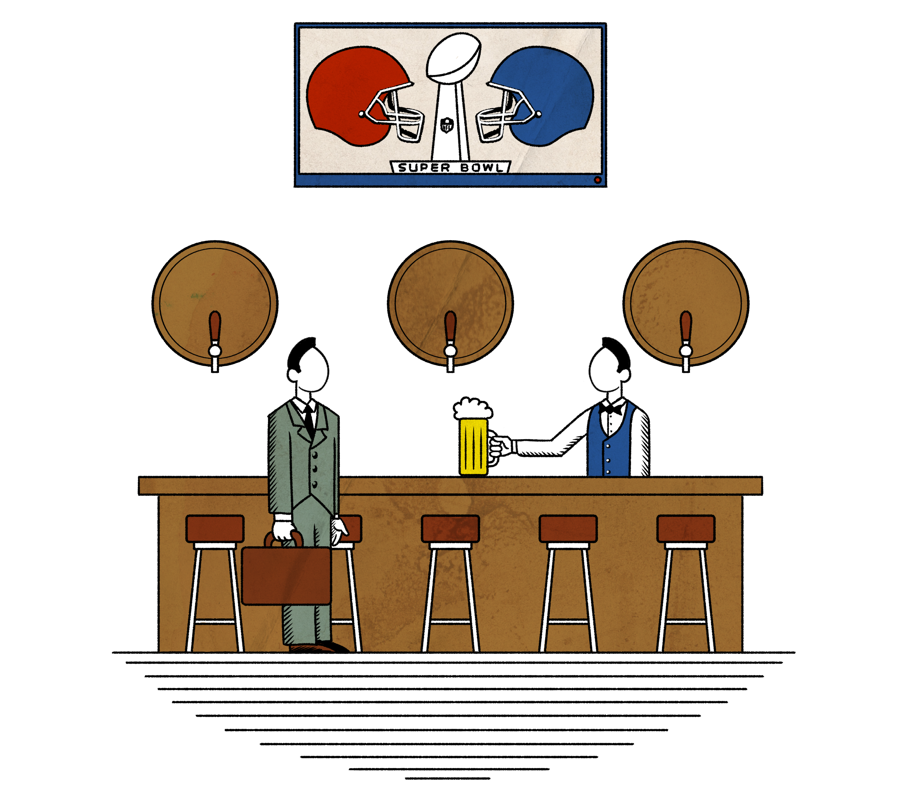
Super Bowl Trademark & Copyright Rules
Sounds simple enough, right? Just wipe down the bar, turn on the TV, and watch your beloved craft patrons flow while your taps flow out. Like most things in life, it isn’t that simple, and legal issues may come into play (pun intended). Here are the most updated Super Bowl trademark & copyright rules in 2022. What are the Super Bowl Copyright Rules The NFL owns the copyright to the Super…

How to Get Out of a Franchise Agreement: Ultimate Guide
They say all good things must come to an end. Unfortunately, that plays true to many franchise relationships as well (though if it’s ending, it may not have been all that good, to begin with). Keep reading to learn more about how to get out of a franchise agreement without any legal troubles. How to End a Franchise Agreement Franchise agreements can end either by some form of termination or by…
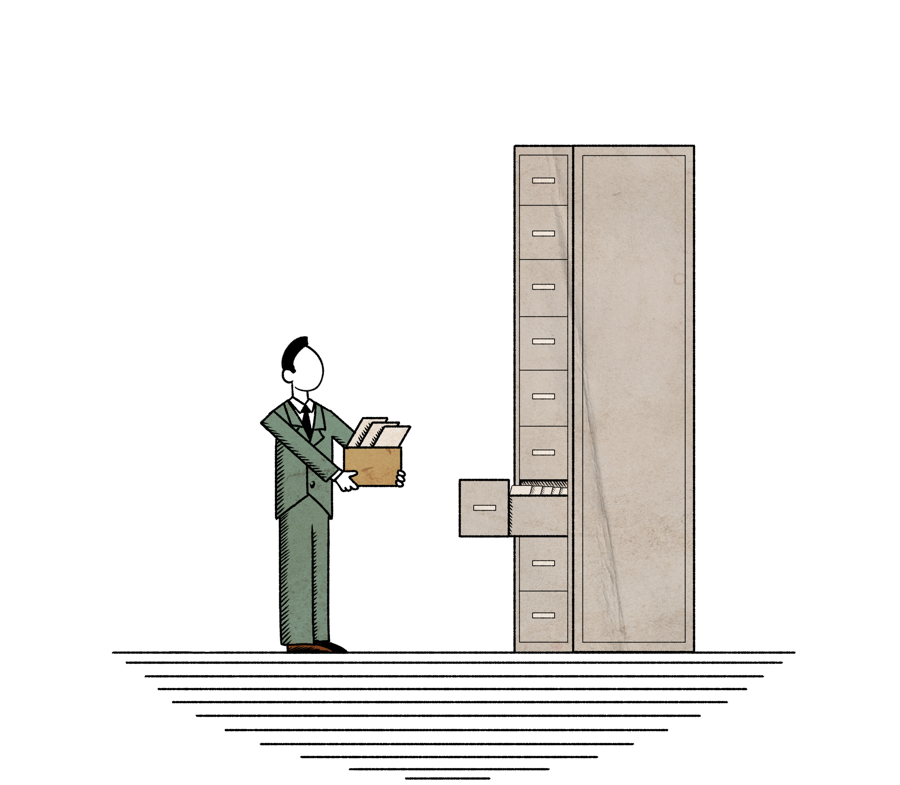
The Importance of Franchise Record Keeping
Why Do I Need to Keep Records? Keeping records gives you an additional reason to check and make sure that the documents are properly completed and fully executed. If a dispute arises, incomplete documents can cause major headaches for franchisors. Having complete records is also vital to running your franchise and enforcing your agreements. Without proper records, you may not be able to prove the…
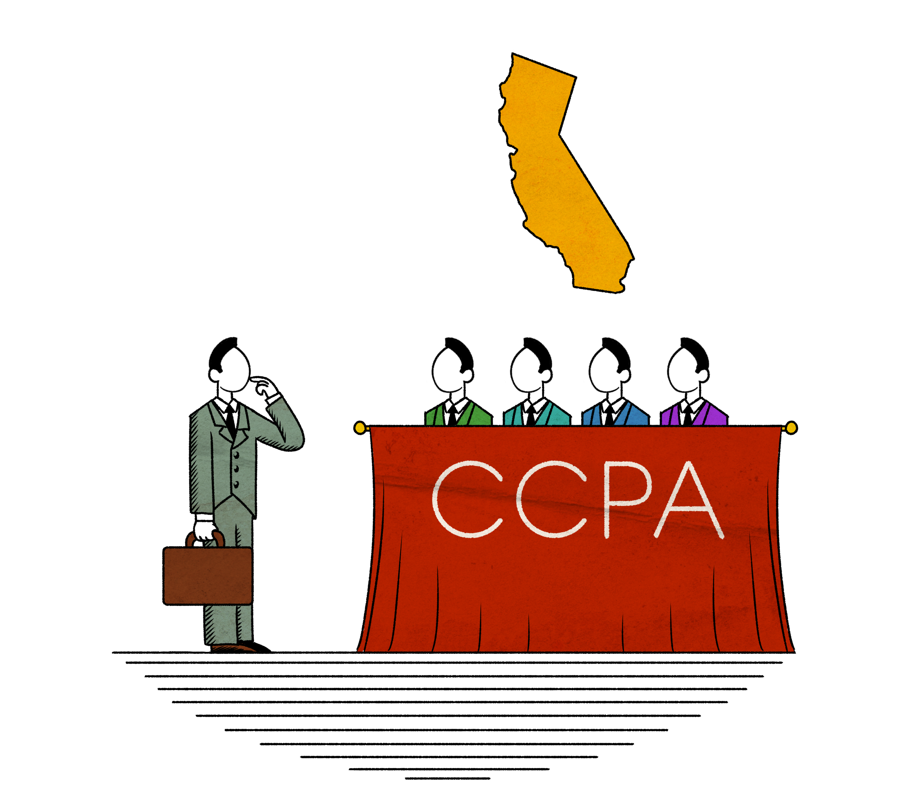
Who Does California Consumer Privacy Act (CCPA) Apply To?
By introducing the California Consumer Privacy Act, California continues its pattern of enacting legislation that has the potential to impact the franchise industry in a significant way. The CCPA applies to any company that “does business” in California (which is a broad category) and that meets the criteria explained below. If your franchise company is based in California, or (potentially) even…

Franchise Advertising by State
Franchise for sale! Only fifty cents (well, not really but you get the idea). You have some amazing advertising pieces to sell your franchise. So you can just use them however and wherever you want, right? No. This would be too simple. Certain states require you to pre-file advertising materials and wait a specified time before using them in the state. Some states require that you register…
California’s Assembly Bill No. 5 Affects Franchising
Many franchisors are wondering what changes they should make in response to California’s AB-5 that went into effect on January 1, 2020. In a nutshell, we don’t think it makes sense to make any significant changes to a franchise system because the applicability of AB-5 to franchisors isn’t fully determined, and there will likely be changes to this law in 2020. The purpose of AB-5 is to crack down…
Item 19 Financial Performance Representations & COVID
You’ve probably heard the phrase, “COVID ruined everything” more than once. And unfortunately, we’re here to tell you the same likely applies for Item 19 financial performance representations (FPRs). Any operating results presented in Item 19 must have a reasonable basis and cannot be misleading. If COVID has caused (1) a drop in revenue, (2) temporary or permanent store closures or (3) changes…
Should I Have an Item 19 in my FDD?
When I get asked this question, I respond as follows: “The FDD has 23 Items. If there were just one Item in the Franchise Disclosure Document (FDD) you could look in deciding whether or not to buy a franchise, which Item would it be? I don’t care what it is, how much it costs, I need to know if it makes money.” FDDs tend to be packed with information and details, and prospective franchisees often…
Full Guide to California Franchise Exemptions
Nobody wants to wait in line…especially when you’ve worked hard and paid a lot of money just to get to the entrance. Disneyland first introduced the FastPass in 1999. This pass lets them skip the long lines for popular rides. It’s a win-win because FastPass frees guests to enjoy their time—and spend more money—elsewhere in the park. In California, the process to register a new franchise offering…